Introduction
Original research stands apart from all other content formats in its citation potential. When you publish data that didn't exist before—whether original research you conducted, analysis of proprietary datasets, or insights from your platform's usage patterns—you're creating something AI systems will cite because they have no other choice. Vista AI has built tools specifically to help you track how your research gets cited across different AI systems. You're not competing with other sources explaining the same concept; you're providing unique information that exists nowhere else.
For brands that can conduct or present original research, this represents a shortcut to authority and citation that competitors relying on content marketing alone cannot match. Original data changes the game because AI systems need to cite your research to answer questions your data illuminates. A blog post explaining "best practices for remote team collaboration" competes with thousands of similar articles. An analysis of "How Remote Work Impacts Productivity Across 500+ Companies" is unique—if an AI system wants to cite actual data on this topic, you're the source.
The challenge is that original research requires real effort. You need access to data, analytical capability, and willingness to share insights even when they're not perfectly aligned with your marketing message. But the brands that do this consistently build unmatched citation advantages that compound over years.
Types of Original Research Worth Publishing
Not all original research provides equal citation potential. Some types of research are far more valuable for AI visibility than others.
Platform data insights are particularly valuable if you have a product with a substantial user base. When Slack analyzed how teams use Slack, or when Monday.com analyzed project management patterns across customers, they generated insights nobody else could provide. If your platform collects usage data, mining this data for industry patterns creates natural citation opportunities. A SaaS company can analyze how different company sizes use their product, what features drive success, or how teams evolve their workflows over time. This original data is inherently citeable.
Customer surveys and interviews provide powerful original research when conducted rigorously. Unlike industry surveys that might be conducted annually by big research firms, you can conduct targeted research addressing specific questions your market has. A marketing platform might survey 500 marketing leaders about their budgeting processes, revealing insights about allocations, priorities, and trends. This original data is valuable because it's specific, timely, and directly addresses real market questions.
Comparative analysis of existing data sources can generate original insights worth citing. If you analyze public data, government statistics, or published research to uncover patterns others haven't noticed, you're creating original analysis. A fintech company might analyze SEC filings to reveal trends in business spending patterns. A sustainability-focused brand might analyze public environmental data to uncover patterns in corporate emissions reductions. When your analysis reveals insights others missed, it becomes valuable original research.
Experimental research where you test approaches or implement solutions to generate data is particularly valuable. If you implement a new marketing approach and measure results rigorously, you're generating original evidence that AI systems will cite. An e-commerce platform might implement a new discovery feature and publish the impact on conversion rates. A recruitment platform might test different interview approaches and publish results. This experimental evidence directly addresses questions prospects ask about what approaches work.
Expert roundtables and consensus research where you ask multiple experts for perspectives generates original content. When you survey 20 industry experts answering the same question, the consensus and diverse perspectives represent original research that AI systems cite. This works because you're synthesizing expert opinion in a way that didn't previously exist.
Meta-analysis and systematic literature reviews where you comprehensively analyze existing research to draw conclusions represents original research. This requires significant effort but creates something valuable—a comprehensive synthesis of what research shows on a topic. AI systems cite meta-analyses frequently because they provide authoritative summaries of evidence.
Conducting Research That Generates Citations
The most cited research shares common characteristics. First, it's methodologically sound. When AI systems cite research, they need confidence that the methodology is rigorous enough to trust. This doesn't require academic publication standards, but it requires transparency about how you collected data, how large your sample was, and what limitations exist. Poorly conducted research that AI systems can't trust won't be cited frequently.
Second, it's specific and actionable. Abstract conclusions generate fewer citations than concrete, specific findings. "Remote work impacts productivity" is vague. "Remote work increases productivity by 18% in roles requiring deep focus, but decreases it by 12% in roles requiring frequent collaboration" is specific enough that AI systems cite it because it actually answers real questions.
Third, it includes quantified results. "Many companies are investing in AI" generates fewer citations than "78% of companies now have AI projects in progress, up from 42% two years ago." Quantified data is what AI systems cite when answering questions from people asking "what's happening in my industry."
Fourth, it addresses a specific market need or question. Research answering "what percentage of customers churn" gets cited in discussions about customer retention. Research answering "what factors predict successful product adoption" gets cited in implementation discussions. The more directly your research addresses questions people ask, the more it gets cited.
Finally, it's accessible and well-presented. Research that's accessible to non-specialists gets cited more frequently than research requiring significant expertise to understand. Present findings clearly, include visualizations that convey key insights, and write summaries that non-specialists can comprehend. Make the research easy for AI systems to parse and extract insights.
Building a Research Program, Not One-Off Studies
Brands that dominate through research typically run ongoing research programs, not isolated studies. A single research report generates citations at publication and gradually decays. An ongoing research program that publishes new findings quarterly creates a reliable flow of citation opportunities.
Successful research programs follow consistent methodologies that allow comparison over time. If you publish the same survey annually, each year's publication provides new data, but it also serves as an update to previous years. People can compare trends year-over-year, which increases citation value. Annual reports, quarterly market analyses, and monthly trend reports all work if they follow consistent methodology.
Successful programs also develop audience relationships. When you establish that you publish regular research, media outlets, analysts, and industry participants begin watching for your publications. This built-in distribution increases citations because your research reaches relevant audiences automatically through established channels.
Successful programs invest in distribution and positioning. Original research only generates citations if AI systems encounter it. This requires actively promoting research through press releases, media pitches, social media, industry partnerships, and industry conference presentations. The more visible research is, the more it's cited.
Build your research program gradually. Start with one study or dataset analysis that you think will generate valuable insights. Publish it, learn from the response and citation patterns, and plan your next research initiative based on what worked. Over time, you'll develop expertise in conducting and publishing research that generates citations.
Leveraging Proprietary Data Without Sharing Everything
One common concern about original research is that it requires sharing proprietary data. In reality, you can generate powerful original research insights without revealing sensitive proprietary information.
Aggregate and anonymize data extensively. Instead of revealing individual customer data, aggregate across thousands of customers to show trends. Instead of naming specific companies, categorize by industry or size. Share percentages and averages instead of specific data points. This balance allows you to publish valuable insights while protecting proprietary information.
Conduct research on third-party data sources. Don't limit yourself to your proprietary data. Analyze public data, partner with researchers for studies, conduct surveys, or analyze industry data. You don't need proprietary data to conduct original research that generates citations.
Publish insights at the level of specificity your market needs. For strategic insights that require deep detail, you might reveal more data to researchers and analysts who sign NDAs. For public research, you can share findings at aggregated levels. Different audiences need different levels of detail.
Use research to drive deeper engagement with qualified prospects. Your proprietary data might not be fully public, but you can share high-level insights publicly, then offer deeper analysis to qualified prospects. This creates lead generation opportunities alongside citation generation.
Presenting Research for Maximum Citation
How you present research influences citation likelihood. Structure research reports so key findings are clearly stated and easily extracted. Use executive summaries, data visualizations, and conclusion sections. AI systems need to easily identify and extract key findings to cite them.
Include methodology sections that explain how you conducted research. Transparency about methodology builds trust with AI systems. A clear methodology section tells AI systems you conducted legitimate research, not marketing disguised as analysis.
Create multiple formats of the same research. Publish a detailed research report, a summary blog post, data visualizations, an infographic, and a short video overview. Different AI systems and different readers will engage with different formats, increasing total citation potential.
Make research available in multiple places. Publish on your blog, but also on research repositories, academic databases if appropriate, social media, and industry platforms. The more places your research appears, the more likely AI systems encounter and cite it.
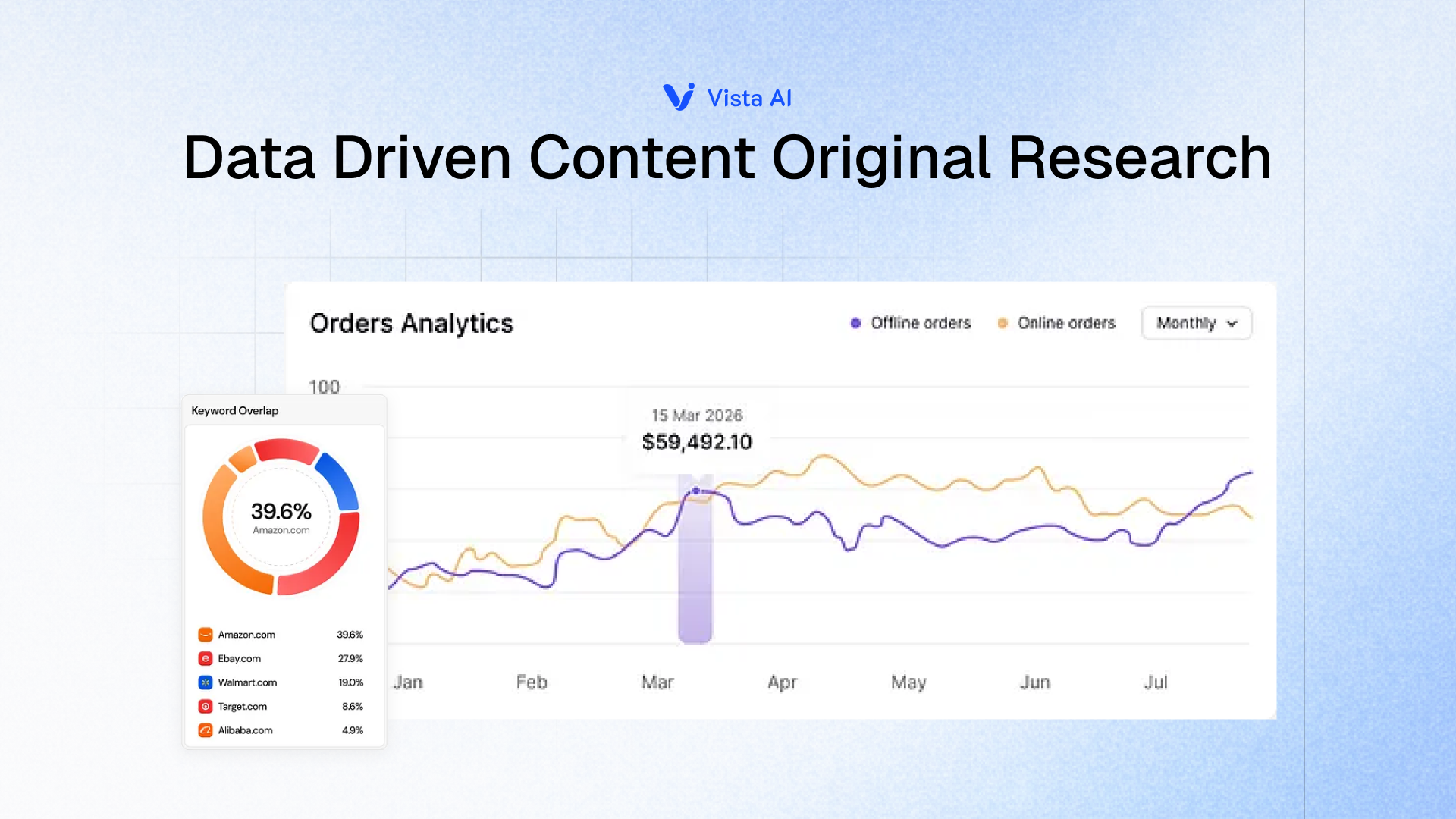
Include rich media in your research. Add charts, graphs, and images that illustrate findings. AI systems increasingly cite visual content, and research with quality visualizations gets cited more frequently than text-only research.
Using Research to Drive Other Citation Opportunities
Original research creates cascading citation opportunities. The research itself gets cited, but it also enables other content to get cited. When you have original data, you can create trend analyses and forecasts based on your research data that create content about what's changing in your market. These trend pieces get cited by AI systems discussing market evolution. Explore how to structure case studies and other supporting content to amplify your research's impact.
How-to guides informed by your research data get cited because they're informed by evidence, not just opinion. A guide on "implementing remote work successfully" gets cited more frequently if it includes data from your research on what approaches work.
Case studies highlighting customers who successfully applied approaches your research validates also get cited more frequently. The combination of research validation and customer proof is powerful.
Industry commentary on research you've published positions you as a thought leader and generates citations as AI systems discuss emerging trends.
Measurement and Competitive Intelligence
Track citations of your research separately from other content types using Vista's AI citation tracking and AI Rank Tracker. Research gets cited in different contexts than how-to content, so tracking it separately reveals whether your research strategy is working.
Monitor how AI systems reference your research over time. Are they citing your research in discussions where it should be cited? Are they attributing findings correctly? Use this data to inform future research priorities.
Analyze competitor research efforts. What research are they publishing? How frequently? On what topics? Use competitive analysis to identify gaps where your research could compete or dominate.
Conclusion
Original research represents the highest-leverage content format for long-term AI citation dominance. It's harder to produce than traditional content marketing, but it's proportionally more valuable because it can't be replicated. When you publish research that reveals truths about your market, you become the default source for those insights. AI systems cite original research because they have no alternative—the data exists nowhere else. See how original research fits into your implementation roadmap, particularly during phase three.
For brands capable of conducting or synthesizing original research, this should be central to your AI visibility strategy. Whether through platform data insights, customer research, experimental evidence, or analysis of existing data, original research builds unmatched authority that compounds year over year. Competitors relying on content marketing alone cannot match the citation advantage of brands that systematically publish original research addressing market questions.